Sewage Treatment Plant
High-performance plants built on proprietary MBR technology, for municipal, commercial, and industrial clients. We design every system around the water actually flowing into it, not a standard template, which means the plant you get is sized for your real flow rates, your real organic loading, and your real discharge requirements from day one. That approach, combined with a decade of manufacturing experience, is what lets our sewage treatment plants hold up under the kind of variable, unpredictable conditions that cause conventional systems to underperform within a few years of installation.

Modern Sewage Treatment
Sewage treatment removes contaminants through integrated physical, chemical, and biological processes. As discharge standards tighten globally, MBR technology has become the premier method for meeting them.
The Treatment Process
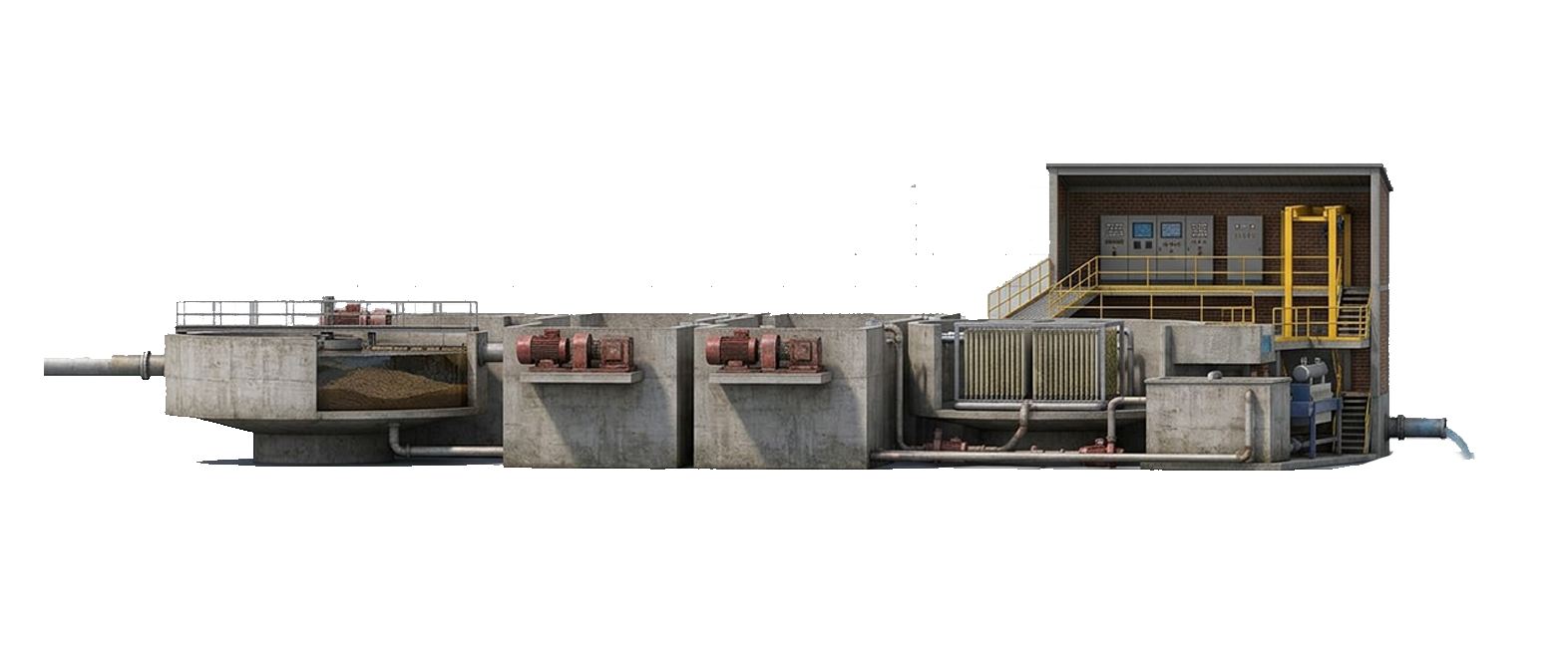
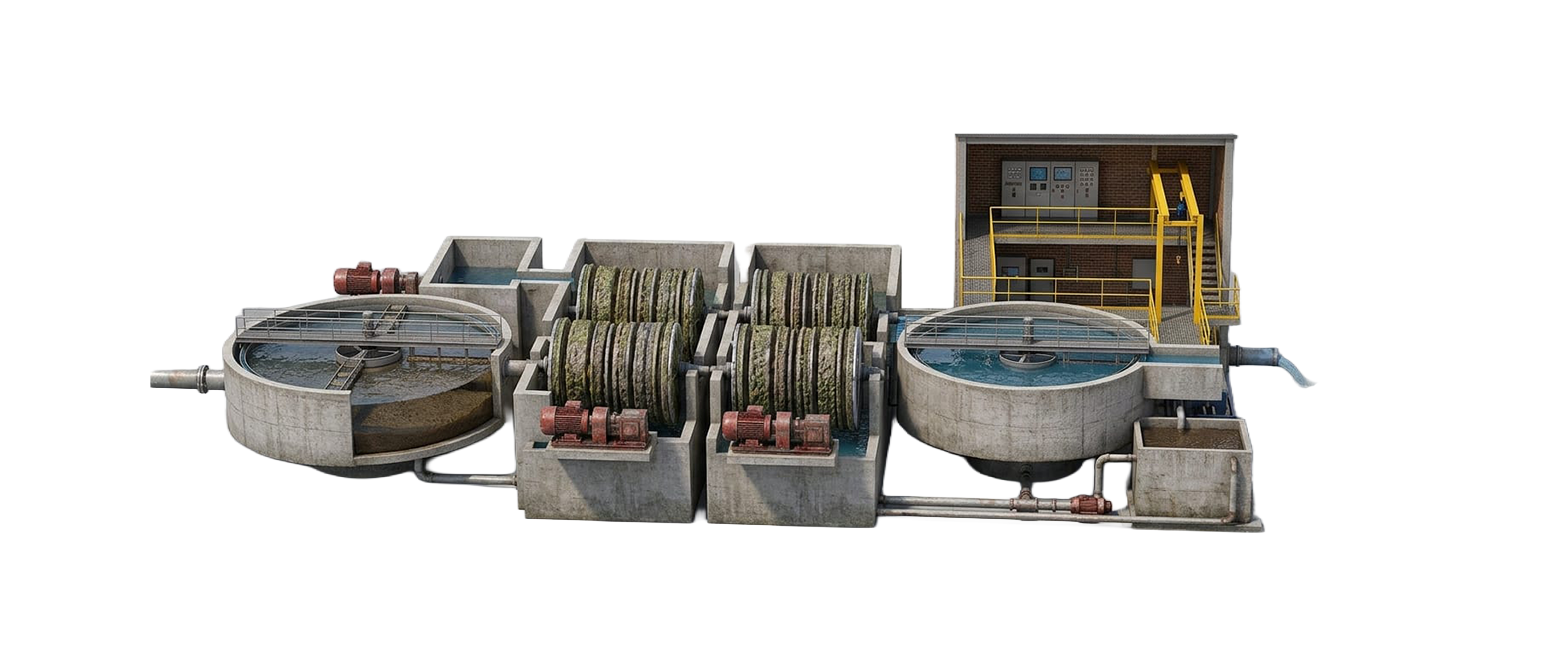
Bar screening into a collection tank, then anaerobic or septic treatment, aerobic treatment, and the MBR tank itself, where clean water and sludge management run in parallel.
Why MBR Wins
Consistent output regardless of shifting influent, streamlined operation and maintenance, fully integrated automatic controls, and a performance-to-cost ratio that holds up over the plant's full lifecycle.
Why Choose Molekul
Professional design, sophisticated installation, comprehensive training, and responsive after-sales support — backed by a decade of hands-on experience across municipal, commercial, and industrial projects.
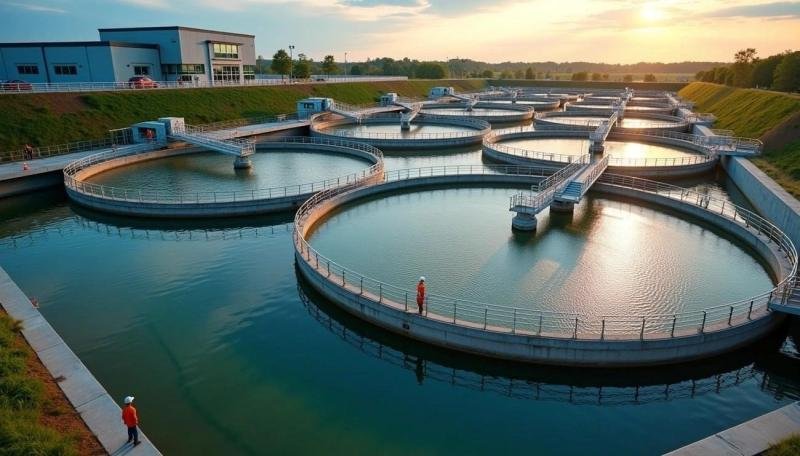
Municipal Wastewater
Custom-built plants that protect public health and restore treated water safely to the communities that depend on it. Every municipality has a different population curve, a different seasonal load, and a different discharge standard to meet, which is why we don't offer a fixed catalog of plant sizes. Instead, our engineering team works from your actual population and flow data to design a system that performs reliably for decades, not just at commissioning — built with the automation and remote monitoring that lean municipal teams need to run it confidently day to day.

Why It Matters
Municipal treatment removes solids and pollutants, breaks down organic matter, and restores the oxygen levels treated water needs to support aquatic life downstream.
Custom Plants
We build plants tailored to each municipality's population, flow rates, and discharge targets — not a generic design retrofitted to your site.
Advanced Technology
As discharge standards grow more rigorous worldwide, MBR has become the industry standard. We manufacture MBR membranes and integrated systems that are efficient and genuinely operator-friendly.
The Treatment Process
Bar screening, collection tank, anaerobic treatment, aerobic treatment, and the MBR tank — each stage sized to the municipality's specific flow and load profile.
Comprehensive Support
Custom design, high-quality equipment supply, and professional installation built for decades of stable operation, not just a quick handover.
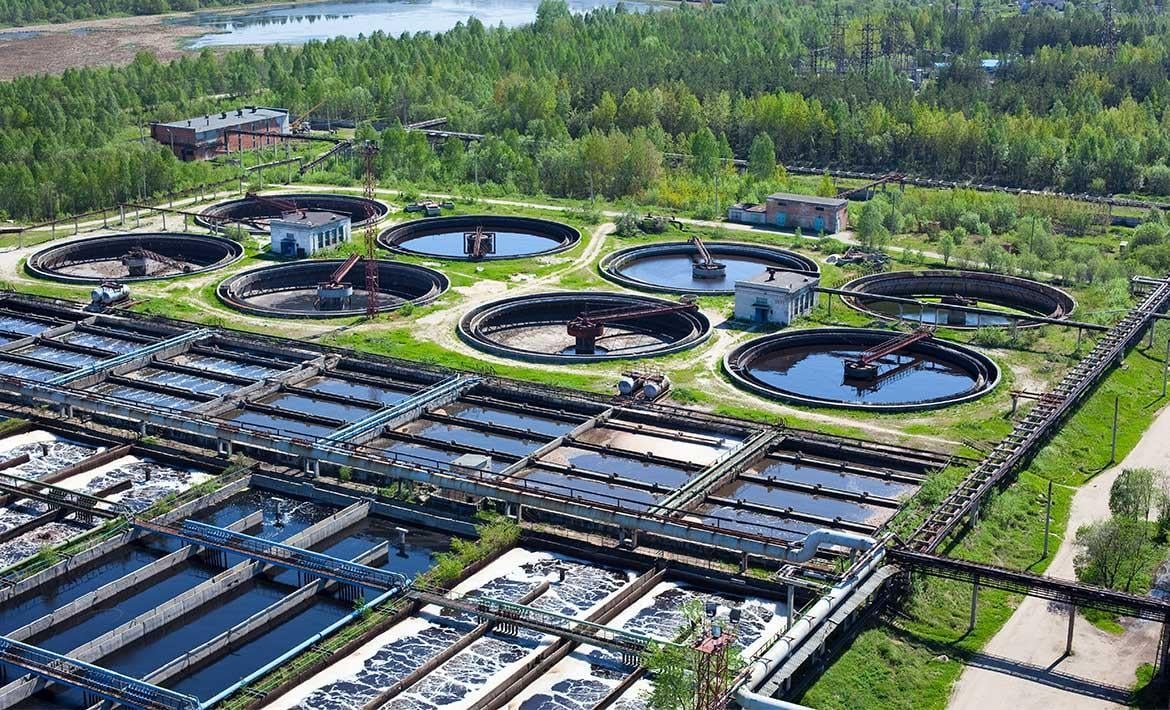
Restaurant Wastewater
MBR systems engineered for the grease, oil, and organic loads generated by food service and processing operations. Restaurant and food processing wastewater fouls generic treatment equipment fast, which is why so many kitchens end up replacing or overhauling their systems within a year or two of installation. We build our systems specifically around high-oil, high-grease influent from the start, with pre-treatment and dosing calibrated to the actual composition of your wastewater, so the plant keeps performing at the pace of a working kitchen instead of falling behind it.

A Difficult Waste Stream
Restaurant wastewater carries a high concentration of oils, grease, and solids like vegetable waste, meat, and bone. Generic membranes foul quickly on this kind of load; ours are built for it.
Treating Oily Emulsions
Oily wastewater often exists as a stable emulsion. We use precise coagulant dosing to neutralize electrostatic charges and separate oil from water effectively.
Our Service Approach
Every treatment process is customized to your wastewater's specific composition, not a one-size-fits-all template.
- System Design tailored to oil-loading and flow requirements
- Expert Installation from pre-treatment through the MBR tank
- Dedicated Maintenance to keep the plant at peak efficiency
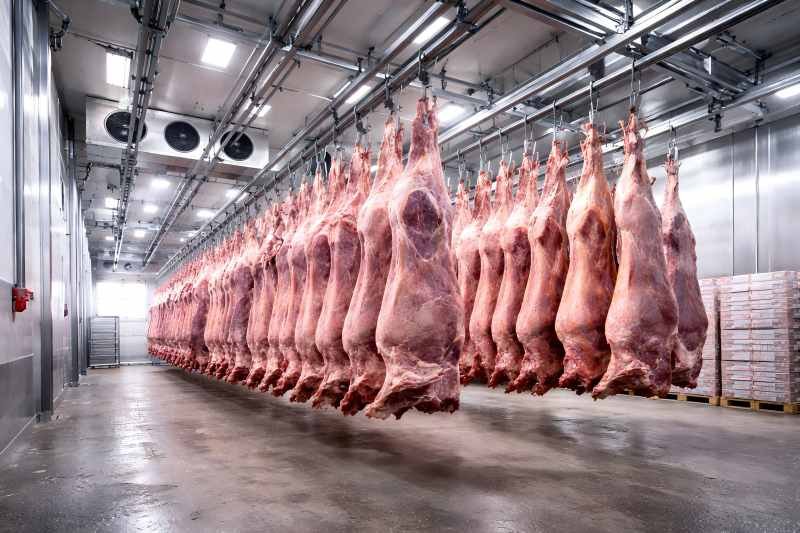
Slaughterhouse Treatment
Systems engineered for the high organic loads, pathogens, and nutrient content unique to meat processing effluent. Blood, fats, and suspended solids make slaughterhouse wastewater one of the most demanding waste streams in industrial treatment, and getting it wrong carries real consequences for local waterways and public health. Our treatment trains are built specifically around that risk profile, combining biological treatment with membrane filtration and disinfection to deliver effluent quality that's been proven in the field, not just modeled on paper.

A High-Risk Waste Stream
Slaughterhouse wastewater carries high concentrations of blood, proteins, fats, and suspended solids, and untreated discharge devastates riverbeds and local ecosystems.
The Challenge
High BOD, COD, and TOC; significant Total Nitrogen and Phosphorus; dense Total Suspended Solids — our systems are designed to neutralize each category for full compliance.
The Treatment Process
Bar screening, equalization tank, anaerobic, anoxic and aerobic treatment, the MBR tank, UV sterilization, and a clean water tank ready for discharge or reuse.
Proven in the Field
At Luna Export Slaughterhouse PLC in Addis Ababa, Ethiopia, our MBR membrane technology delivered results that speak for themselves.
Industrial MBR Systems
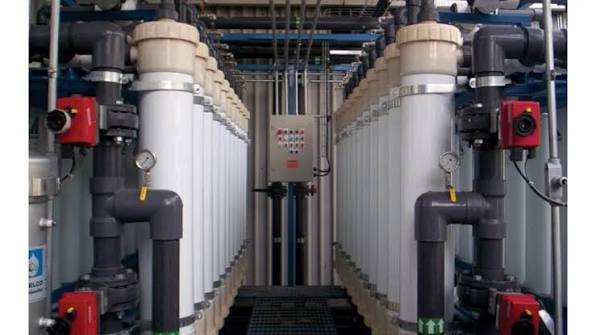
A fully integrated membrane bioreactor platform for industrial water recycling and high-COD process water. Industrial influent regularly overwhelms the secondary treatment methods that work fine for municipal sewage, which is why this platform is built around microfiltration or ultrafiltration paired with suspended growth bioreactors specifically tuned for high organic loading. Every component, from the membrane to the control system, is manufactured by us and delivered as one integrated package, so industrial clients aren't left coordinating equipment sourced from a half-dozen different vendors.

How It Works
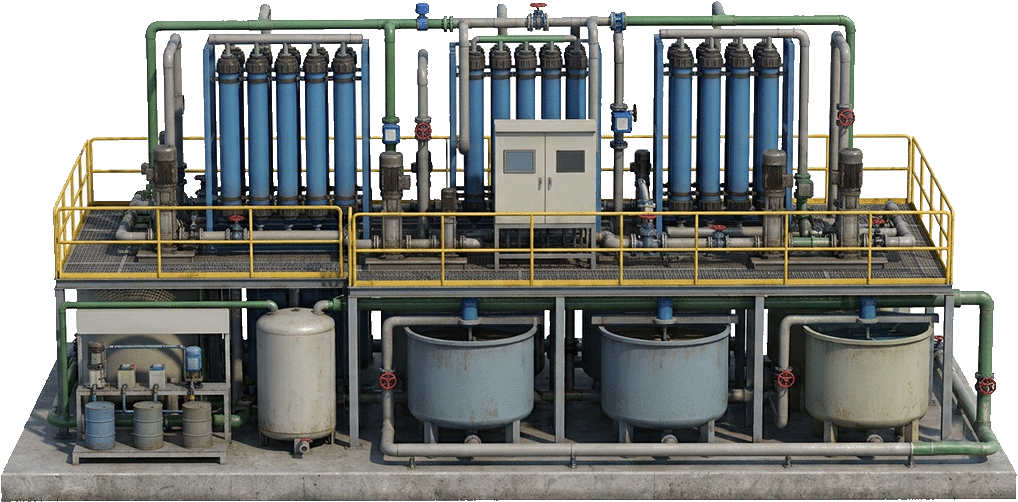
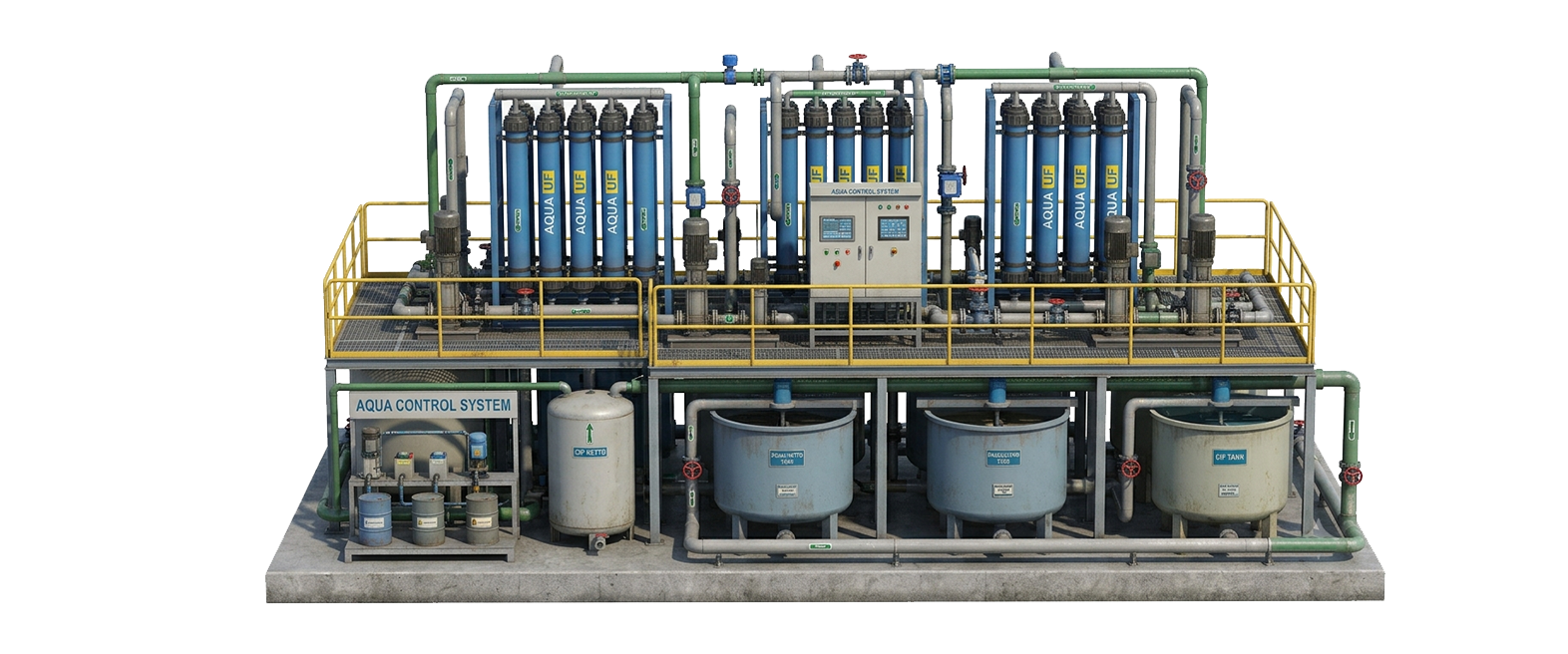
The Molekul MBR System combines microfiltration or ultrafiltration with suspended growth bioreactors for high-efficiency aerobic treatment — built for industrial water recycling, turn-key projects, and high-COD influent.
What's Included
A complete, integrated package — not components you have to source separately.
- Molekul MBR membrane
- MBR skid and collector piping
- Integrated aerator system
- Air blower and suction pump
- Feed water pump
- Automated dosing pump and system
- Centralized PLC control system
Where It's Applied
Industrial and municipal administration, and high-efficiency reclaimed water reuse, wherever water scarcity or discharge costs make reuse a priority.
One System, Fewer Vendors
We manufacture every core component ourselves — one point of accountability instead of a patchwork of suppliers.
Biological MBR
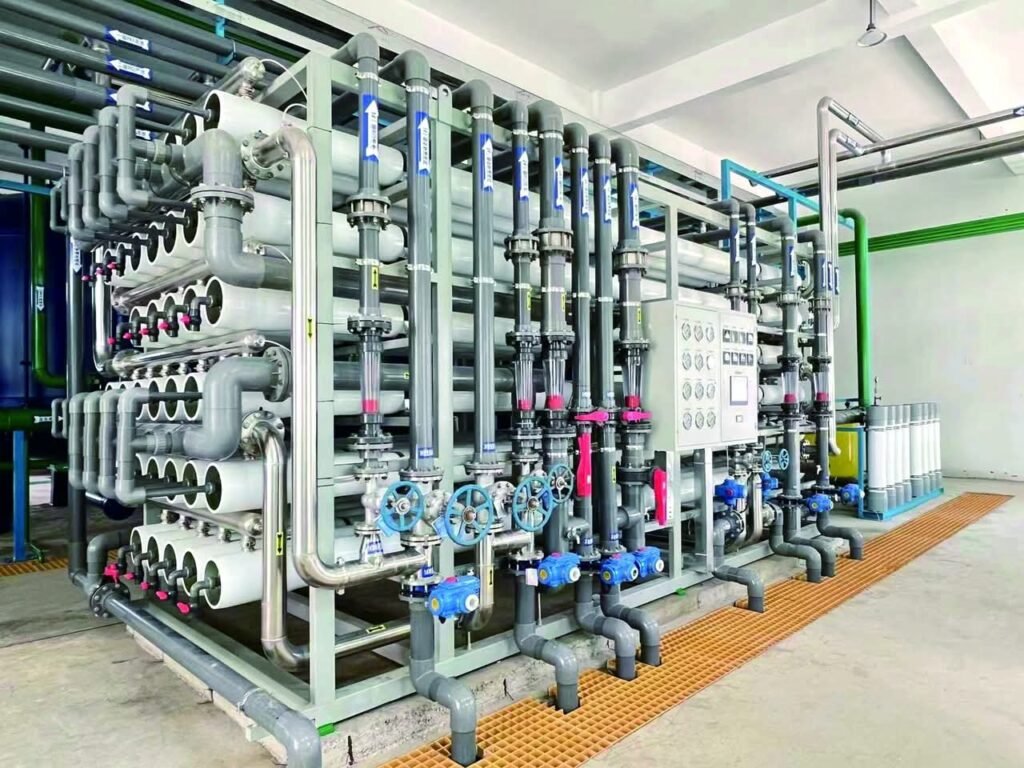
The most efficient and economical method for eliminating organic pollution, refined over a decade of custom MBR design. Biological treatment is the foundation almost every system we build starts from, whether the end goal is straightforward sewage treatment or highly demanding reclaimed water reuse. We combine that biological core with membrane filtration to remove the unpredictability that comes with conventional gravity settling, and we offer MBBR as a more economical alternative for projects where full MBR precision isn't required, so you're never paying for more system than the application actually needs.

How Biological Treatment Works
By optimizing environmental conditions, we encourage microorganisms to consume organic compounds — the most efficient and economical method for eliminating organic pollution, along with suspended solids, nitrogen, and phosphorus.
The Membrane Bioreactor
MBR replaces traditional settling with high-precision membrane filtration, including containerized crossflow systems for offshore living quarter barges and other remote sites.
MBBR as an Alternative
Moving Bed Biofilm Reactor technology offers a more economical option for bulk pollution removal where discharge regulations are less stringent.
Our Advantages
A decade of expertise, shaping every system we design.
Drinking Water Systems
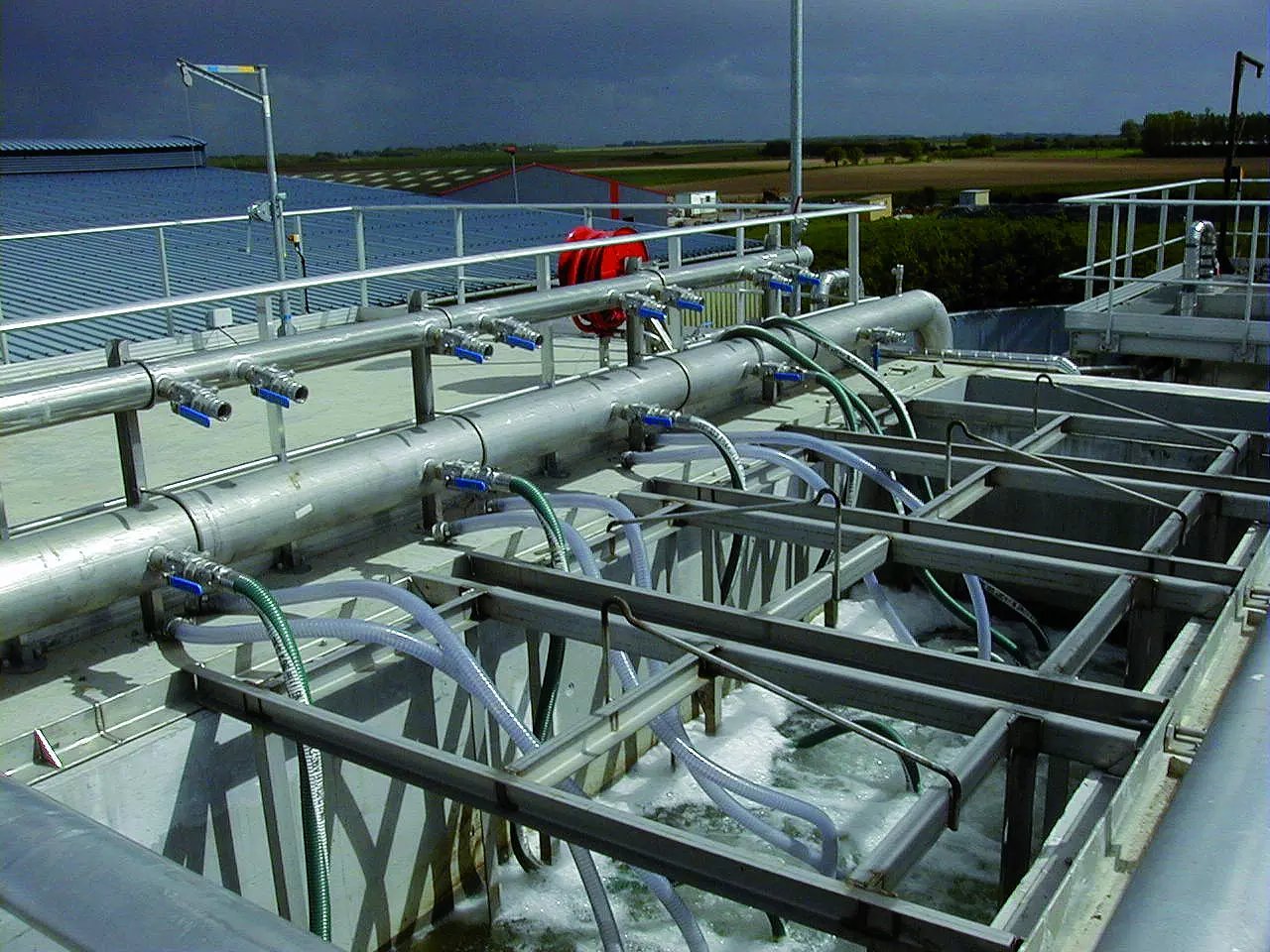
Reverse osmosis systems engineered to meet WHO and EU drinking water standards, from household units to municipal-scale plants. Whether the source is groundwater, surface water, or seawater, every system we design is built to fully meet the regulatory benchmark it's certified against, not just come close to it. For municipal-scale projects, we go further than basic filtration, actively managing the corrosivity and scaling potential of the treated water to protect the distribution infrastructure a utility has often already invested heavily in.

Where It Comes From
Drinking water can be produced from groundwater, lakes, rivers, or seawater. Every system we design meets WHO and EU standards, not just approaches them.
Municipal-Scale Considerations
We manage corrosivity and scaling potential specifically to protect the integrity and longevity of distribution piping infrastructure.
Our Advantages
Standard and bespoke designs curated to your application, requirements, and budget — scaling from large industrial installations to household treatment.
Our Service
Professional design and manufacturing, technical support for installation and commissioning, and responsive after-sales service for the life of the system.
Heavy Metals Removal
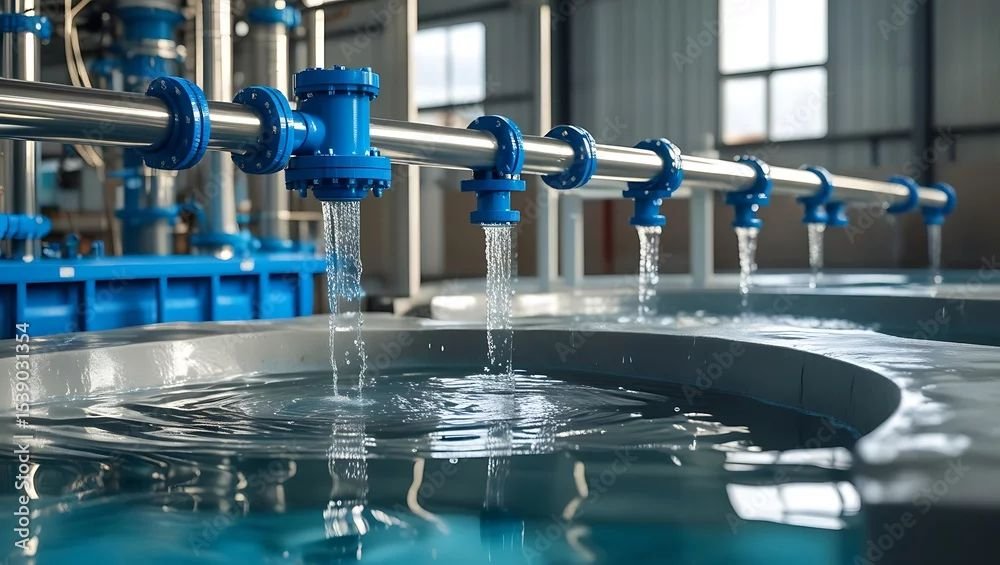
Selective ion exchange technology for the low-concentration heavy metal contamination common in groundwater. Nickel, lead, cadmium, and zinc typically show up at parts-per-billion levels that are hard to detect and even harder to treat with standard methods — reverse osmosis alone often isn't the right or most cost-effective tool for this specific problem. We rely on selective ion exchange resins instead, matched to the exact contamination profile of your water rather than a worst-case assumption, so you're not overpaying for treatment capacity you don't need.
The Metals We Remove
Nickel, lead, cadmium, and zinc typically exist in groundwater at parts-per-billion levels in cationic form — difficult to detect and harder to remove without the right technology.
Why RO Isn't Always the Answer
Reverse osmosis can remove low levels of heavy metals, but aerobic conditions can clog membranes with metal oxides. Unless demineralization is also needed, RO often isn't the most cost-efficient route.
Selective Ion Exchange
Resins like Lewatit TP 207 or TP 208 are the most effective method. The 208 resin is typically used non-regenerable for low-concentration aquifers; for leachate or mining wastewater, resins can be regenerated on-site with acid and caustic soda.
Matched to Your Water
Groundwater chemistry varies by site. We evaluate the full water profile before recommending a resin configuration.
MBR Membrane Modular
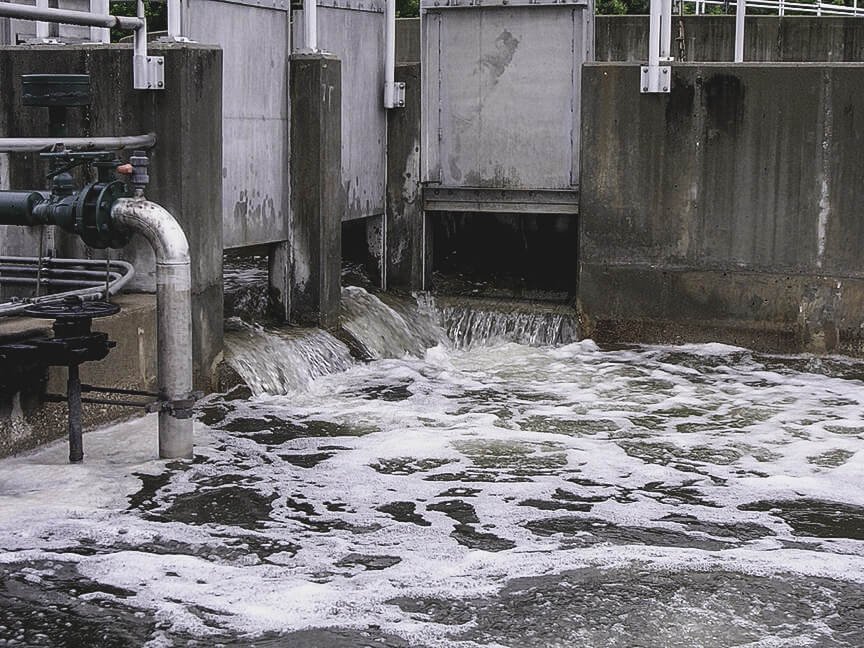
PVDF membrane technology for high-performance municipal and industrial wastewater treatment, in a scalable modular format. Instead of forcing you to size a plant for a future that may or may not materialize, this platform lets you install exactly the capacity you need today and add modules as demand grows, without redesigning the treatment train. Every module is manufactured to the same PVDF specification and factory-tested to the same standard, so performance stays consistent whether you're running your first unit or your fifth.
Modular by Design
This system integrates microfiltration or ultrafiltration with a suspended growth bioreactor, letting operators scale capacity by adding modules rather than redesigning the plant.
PVDF Membrane Specification
PVDF membrane material, selected for chemical resistance and long service life, matched to input wastewater quality generally in the 10 to 25 L/m²·h range.
Permeate Water Quality
Consistent, proven performance across installations.
Scale Without Starting Over
Additional units integrate as demand grows — well suited to municipalities and industrial sites expecting treatment needs to increase over time.
Sea Water Desalination
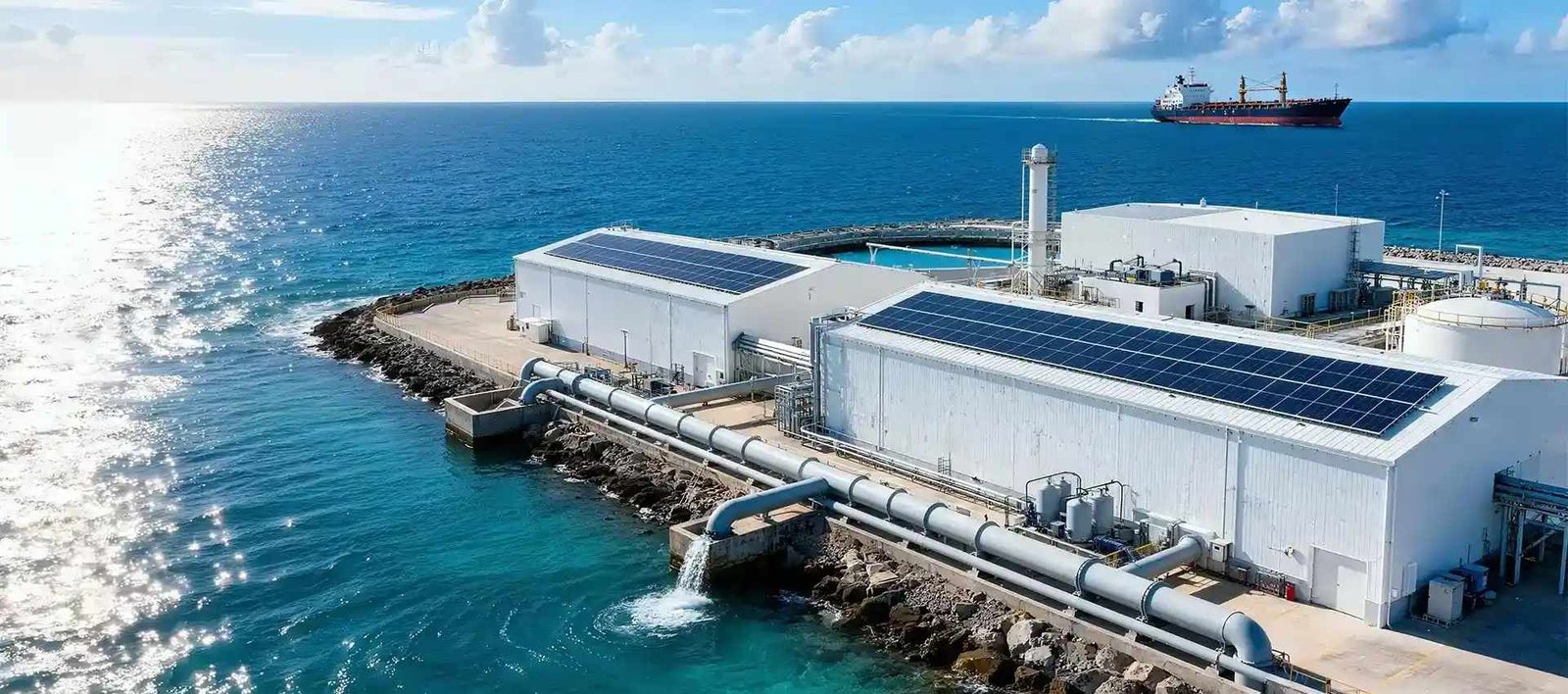
Integrated desalination systems, from pretreatment through post-treatment, for coastal, offshore, and water-scarce environments. The membrane is only one part of what makes a desalination plant work — pretreatment, pass configuration, energy recovery, and brine disposal all have to be engineered together to deliver water that's both safe and affordable to produce over the long run. We design each of those stages around your specific source water and site conditions, from single-pass systems for standard EU compliance to double-pass configurations for the strictest WHO boron limits.
An Essential Solution
Seawater desalination has become an affordable, essential solution for freshwater shortages, particularly in tropical and offshore environments. Reverse osmosis is the core — but the full system determines whether it's affordable to run.
Pretreatment
Critical for extending plant lifespan and minimizing chemical cleanings. We offer high-rejection, ultra-low-energy, and high-boron-rejection membrane types depending on the source water.
Single-Pass or Double-Pass
A single pass generally meets EU standards near 1 mg/L boron; a double pass is often needed for WHO's stricter 0.5 mg/L guideline.
What We Deliver
Containerized mobile units for rapid deployment, and fully integrated systems up to 200 m³/h — producing potable, irrigation, industrial process, or ultrapure water from seawater, brackish, or beach well sources.
Irrigation & Agricultural Water Treatment
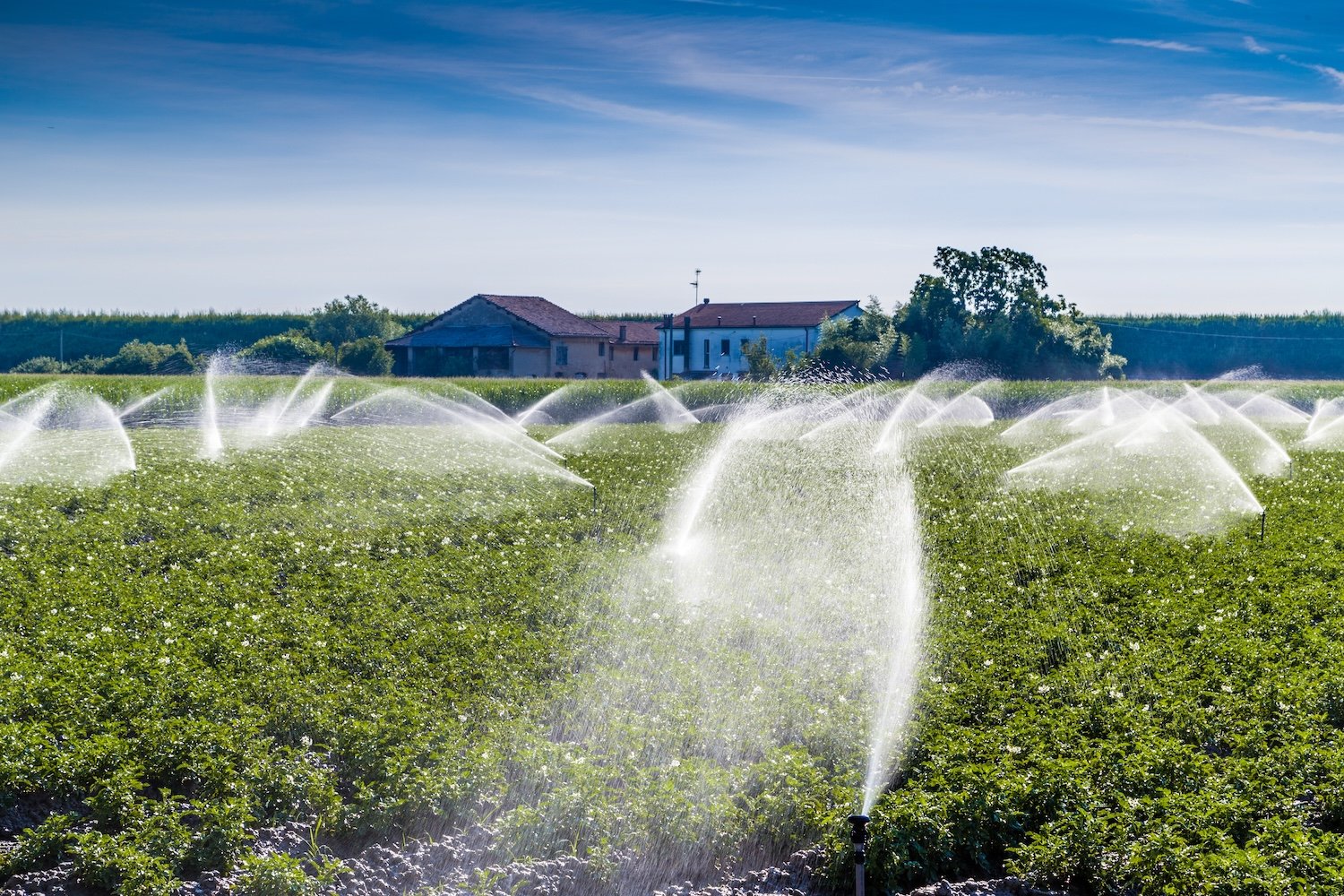
Treatment systems engineered to protect crop yield, soil productivity, and long-term agricultural sustainability. Agriculture consumes roughly 70% of the world's freshwater, and in many regions irrigation water increasingly comes from reused municipal or drainage sources rather than rainfall or rivers alone. Getting that water right means more than meeting a basic safety standard — the ion balance of irrigation water directly affects soil structure over repeated growing seasons, which is why we design every system around your specific crop, soil, and water source rather than a generic agricultural template.
The Scale of Demand
Agriculture drives roughly 70% of global water use, rising to 95% in many developing nations. In Southern Europe, irrigation accounts for 85% of the EU's total irrigated area.
Where the Water Comes From
Natural sources — rainwater and surface water — and alternative sources like municipal wastewater and drainage water reuse, each requiring careful, site-specific management.
Water Reuse in Practice
In France, the Clermont-Ferrand project has reused over 10,000 m³/day of treated wastewater since 1997 to irrigate 700 hectares of maize. Italy and Spain manage thousands of hectares the same way.
Protecting Soil, Not Just Supplying Water
Soil structure is highly sensitive to the exchangeable ions in irrigation water. We design around your specific water profile, not a generic agricultural template.